
What Is Corrugated Metal Roofing? A Detailed Definition, Panel Types & Uses
Views: 0 Author: Site Editor Publish Time: 2026-06-18 Origin: Site


Corrugated metal roofing is far more than a heritage agricultural material. Today, it stands as a highly engineered solution for modern commercial, residential, and industrial applications. Buyers often face a frustrating challenge when sourcing these materials. You must navigate through a chaotic market of different panel profiles, metal substrates, and gauge thicknesses. Finding the exact match for specific structural requirements feels overwhelming without clear data. Engineers and architects demand precision in their material specifications. The right panel depth guarantees optimal water shedding. The wrong choice invites structural failure under heavy snow loads. This guide solves that exact problem. We break down the technical definitions, profile types, and necessary evaluation criteria. We simplify these complex engineering principles into actionable procurement logic. You will learn exactly how to make a confident, specification-grade purchasing decision.
Key Takeaways
Structural Integrity via Design: Corrugation increases the strength-to-weight ratio of flat metal sheets, allowing for wider purlin spanning and higher load capacities.
Material Nuance is Critical: An aluminum corrugated panel provides superior corrosion resistance for coastal or high-humidity environments, whereas galvanized/Galvalume steel offers higher impact resistance at a lower upfront cost.
Profile Dictates Application: 7/8" corrugated panels are standard for structural roofing, while 1/2" profiles are typically reserved for siding, accents, or low-span requirements.
Maintenance Reality: Corrugated systems rely on exposed fasteners; evaluating the lifecycle requires factoring in washer degradation and localized maintenance.
The Technical Definition: How Corrugation Transforms Metal Sheets
Buyers often confuse "corrugated" with any standard metal roof. This misunderstanding creates costly specification errors. You must clarify the exact structural definition to align procurement goals. True corrugation involves a very specific geometric transformation. It is not merely a visual texture. It is a calculated engineering choice.
The Roll-Forming Process
Manufacturing begins with large, flat coils of raw metal. Machines feed these coils into a cold roll-forming line. Cold-rolling shapes the metal at room temperature. This prevents the metal from losing its inherent temper or structural integrity. Heavy steel dies press the flat sheets into symmetrical "U" or "V" wave patterns. The process demands exact calibration. A slight deviation in the roller alignment causes panel distortion. Manufacturers must maintain strict tolerances to ensure every panel overlaps perfectly during installation.
Physics of the Profile
The magic of corrugation lies entirely in physics. A flat piece of metal bends easily under minimal weight. However, adding a continuous sequence of ridges and grooves changes everything. This pattern exponentially multiplies the panel's rigidity perpendicular to the corrugations. It increases the moment of inertia. Lightweight metals can suddenly bear heavy snow and high wind loads without buckling. The geometric folding acts like a series of miniature support beams. You gain massive structural strength without adding extra material weight. This efficiency reduces the overall load on your building foundation.
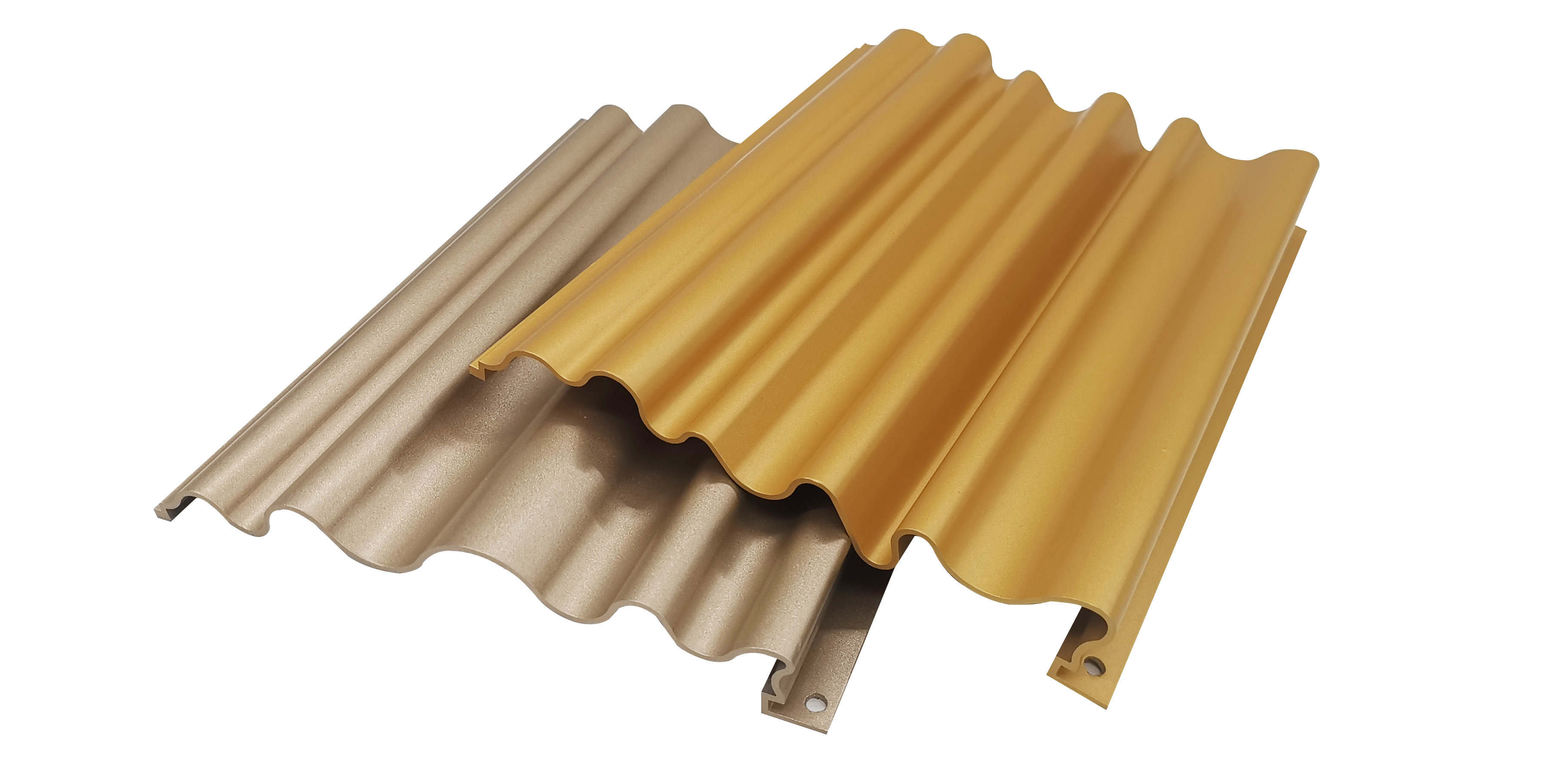
Material Selection: Aluminum Corrugated Panel vs. Steel Alternatives
Choosing the correct substrate is your most critical decision. The core material dictates longevity, weather resistance, and installation requirements. We break down the primary solution categories used in the industry today.
Aluminum Corrugated Panel (The Core Focus)
An Aluminum Corrugated Panel serves as the premium choice for harsh environments. You evaluate it based on exceptional rust and corrosion resistance. Aluminum naturally develops a protective oxide layer. This makes it ideal for coastal, marine, or highly acidic industrial environments.
Weight and scalability offer another major advantage. Aluminum is significantly lighter than steel counterparts. This dramatically reduces the structural dead load on your building framing. Contractors handle it easier, which simplifies the entire installation process. However, you must accept certain trade-offs. Aluminum requires a higher initial raw material investment. It also possesses slightly lower impact resistance compared to steel. Severe hail can cause minor denting, though it rarely breaches the waterproof integrity.
Galvanized and Galvalume Steel
Steel provides the traditional baseline for corrugated roofing. Galvanized steel uses a pure zinc coating. Galvalume uses a blend of aluminum and zinc. Both options deliver extremely high tensile strength. They also appeal to buyers seeking a lower upfront cost.
Yet, steel introduces distinct implementation risks. Installers must cut panels on-site. These cut edges expose the raw steel core. Deep scratches from falling branches can also breach the protective metallic coating. Once exposed, the steel will inevitably rust. You must seal these vulnerable areas immediately to prevent widespread oxidation.
Substrate Comparison Chart
Material Type | Corrosion Resistance | Impact Resistance | Weight Factor | Ideal Environment |
|---|---|---|---|---|
Aluminum Corrugated | Exceptional (Rust-proof) | Moderate (Prone to denting) | Very Light | Coastal, Marine, High Humidity |
Galvanized Steel | Moderate (Can rust if scratched) | High | Heavy | Dry Climates, Standard Commercial |
Galvalume Steel | High (Self-healing edges) | High | Heavy | Industrial, Agricultural |
Sizing the Solution: 7/8" vs. 1/2" Corrugated Profiles
Panel depth directly dictates structural performance. You cannot swap profiles interchangeably. We use a clear features-to-outcomes evaluation framework to compare the two industry-standard depths.
7/8" Corrugated Panels
This profile represents the heavy-duty standard. The success criteria are clear: it is best for primary structural roofing. The deeper 7/8-inch groove provides massive water-carrying capacity. It channels high volumes of torrential rain quickly and efficiently off the roof deck.
Performance capability scales well with this depth. The deep ribs create aggressive structural rigidity. These panels can span greater distances between roof purlins. Depending on the metal gauge, they can span up to four feet unsupported. This capability drastically reduces the amount of substructure framing you need to build. Fewer purlins mean lower timber or steel costs.
1/2" Corrugated Panels
This shallower profile serves a completely different function. Its success criteria center around aesthetic and secondary applications. You will find it best suited for siding, wainscoting, fascia, and interior architectural elements.
The implementation reality is rigid. A 1/2-inch depth carries significantly less water. It also offers lower wind-uplift resistance. Engineers generally do not recommend this shallow profile for primary roofing on low-slope structures. Water can easily overflow the short ribs during a heavy storm. Use it strictly for vertical applications or steep-slope accent roofs.
Primary Use Cases and Application Suitability
Corrugated roofing adapts to a wide variety of sectors. Matching the profile and material to the industry ensures peak performance. Here is how different sectors utilize this versatile material.
Commercial and Industrial Facilities
Scale drives decisions in the commercial sector. Warehouses, manufacturing plants, and distribution centers require massive roof coverage. These projects prioritize cost-per-square-foot and rapid deployment. Deep-rib corrugated systems excel here. Installers can lay down vast square footage in a single day. The wide purlin spans allow builders to design lighter, more economical steel building frames.
Agricultural Buildings
Farms and ranches represent the traditional stronghold for corrugated metal. Barns, silos, and livestock enclosures demand extreme ruggedness. Durability against harsh environments is non-negotiable. Livestock produce high levels of ammonia gas. Ammonia aggressively corrodes standard steel. In these specific environments, an Aluminum Corrugated Panel proves invaluable. It resists chemical degradation far better than galvanized options.
Architectural and Residential Design
Modern residential design embraces industrial aesthetics. Corrugated metal has surged in popularity among homeowners. Architects frequently use it as a mixed-material accent. They pair it with warm wood or stucco siding to create striking visual contrast. Many homeowners also choose it as a highly durable primary roof. It sheds snow effectively in alpine regions and provides a distinct, contemporary appearance.
Objective Evaluation: Pros, Cons, and Implementation Risks
Every roofing system carries specific strengths and vulnerabilities. Trustworthy procurement requires acknowledging both sides. We provide balanced claims to help you assess risk.
Core Advantages
High Strength-to-Weight Ratio: The corrugation geometry provides immense structural support without excessive mass.
Rapid Installation Footprint: Large overlapping panels cover roof decking faster than traditional shingles or tiles.
Eco-Friendly Characteristics: Metal roofing is highly recyclable. Most aluminum and steel panels contain high percentages of recycled content.
Excellent Fire Ratings: Metal systems achieve a Class A fire rating. They provide superior defense against flying embers in wildfire zones.
Cons and Built-In Risks
The primary vulnerability is the attachment method. Corrugated roofing is an Exposed Fastener System. Unlike premium standing seam roofs, the screws physically penetrate the panel face. Hundreds of screws piece the metal skin. Each penetration point relies entirely on a small neoprene rubber washer to keep water out. Over decades, UV rays and weather will degrade these washers.
Critical Implementation Considerations
Thermal Movement: Metal expands under the hot sun and contracts in freezing weather. This constant movement strains the fasteners. Improper installation exacerbates this problem. If a contractor over-tightens a screw, the washer splits. If they under-tighten it, water seeps under the gap. Precision torque control is absolutely mandatory.
Oil Canning: This refers to a visible, wavy distortion in the flat areas of a metal panel. The corrugated texture naturally masks oil canning much better than flat standing seam panels. However, it can still occur. Improper material handling, uneven roof decking, or structural settling can trigger this visual defect.
Best Practices for Fastener Installation
Drive fasteners completely perpendicular to the panel face.
Compress the neoprene washer just until it swells to the screw head edge.
Never install fasteners in the panel valleys if structural plans specify rib attachment.
Sweep the roof daily during installation to remove metal shavings that cause rust spots.
Shortlisting Logic & Next Steps for Procurement
Moving from research to procurement requires strict specification guidelines. You must lock in the correct parameters before signing a purchase order.
Gauge Selection Strategy
Material thickness dictates impact resistance and structural spanning. Guide your selection based on local building codes and regional wind zones. For steel, specify 24-gauge or 26-gauge thickness. 24-gauge provides superior strength for commercial roofs. For aluminum, specify a .032 thickness. This gauge offers the perfect balance between dent resistance and lightweight handling.
Coating and Finish Requirements
Bare metal is rarely the best choice. You must evaluate paint systems for chalk and fade resistance. The industry relies on two primary paint chemistries.
Kynar 500® (PVDF): This premium resin system offers unparalleled protection. It resists UV fading, chalking, and chemical degradation. Specify PVDF for high-visibility architectural roofs or extreme sun exposure.
Silicone Modified Polyester (SMP): This is the standard workhorse coating. It provides excellent scratch resistance and costs less than PVDF. However, it will fade slightly faster over a 30-year timeframe.
Actionable Next Steps
Never buy based on digital photos alone. Start by requesting physical material samples. Test the gauge stiffness in your hands. Next, verify your roof's geometry. Check the minimum slope requirements. Corrugated profiles typically demand a 3:12 pitch minimum to ensure water sheds correctly. Finally, engage a structural engineer. Request certified load span tables for your specific region. Verify that the purlin spacing matches the panel's engineering data before you finalize the purchase order.
Conclusion
Corrugated metal roofing delivers exceptional versatility and structural soundness. Success relies entirely on matching the correct material and profile depth to your specific environment. A 7/8" profile provides the backbone for primary roofs, while a 1/2" profile handles aesthetic siding tasks flawlessly. Gauge selection and fastener discipline remain your primary quality controls during installation.
For buyers facing harsh coastal weather, agricultural chemicals, or high humidity, prioritize your substrate choice. Opting for an aluminum corrugated panel yields the highest long-term return on investment in corrosive environments. The zero-rust longevity completely offsets the initial premium you pay upfront. Take the next steps logically: verify your roof pitch, consult a structural engineer, and demand high-performance coatings to secure your building's future.
FAQ
Q: What is the minimum roof pitch for corrugated metal roofing?
A: Typically, a 3:12 pitch is the minimum required. This slope ensures proper water runoff. It prevents rain or melting snow from pooling in the panel valleys. Using corrugated metal on flatter slopes severely increases the risk of water creeping upward beneath panel overlaps.
Q: Can you walk on an aluminum corrugated panel roof?
A: Yes, but with strict caveats. You must step carefully. Always walk in the "valleys" (the flat part resting directly on the roof deck or purlins). Step directly over the structural supports underneath. Never step on the raised ribs, as you will crush them, especially with lighter-gauge aluminum.
Q: How long does a corrugated metal roof last?
A: Aluminum panels can last 50+ years with minimal degradation since they do not rust. Steel variants typically last 30-45 years before rust becomes problematic. However, the limiting factor is usually the exposed fasteners. The rubber washers require inspection and potential replacement every 15-20 years.
Q: Does corrugated metal roofing make a building hotter?
A: No. In fact, it does the opposite. When finished with "Cool Roof" certified reflective pigments, the metal reflects solar radiant heat away from the structure. This often reduces daily cooling loads and energy bills compared to traditional dark asphalt shingles.


