
What Are Anodized Aluminum Composite Panels And Their Key Features
Views: 0 Author: Site Editor Publish Time: 2026-06-08 Origin: Site


High-performance building facades and industrial applications demand materials that balance architectural aesthetics with uncompromising environmental resistance. Modern structures face extreme weather, daily physical wear, and intense ultraviolet sunlight. You need exterior cladding systems that will not fail under these continuous stresses. While painted composite materials degrade, fade, or peel over time, electrochemical treatments offer a permanent alternative.
We define the engineered Anodized aluminum panel as a material that integrates a durable, weather-resistant anodic oxide layer with a rigid, lightweight composite core. Designed specifically for long-term structural applications, it replaces temporary cosmetic coatings with a chemically fused protective shield. This structural choice reduces future maintenance burdens significantly. In this article, you will learn how the electrochemical anodizing process transforms standard aluminum. We will explore which key features make it ideal for high-wear environments. Finally, you will understand how to specify the right core materials to guarantee strict building code compliance globally.
Key Takeaways
Structural Integrity: Anodized aluminum panels combine the lightweight rigidity of composite cores with an electrochemically integrated surface that cannot peel, chip, or flake.
Durability vs. Paint: Unlike PVDF or powder coatings, the anodic layer is porous and integrated into the metal itself, offering superior scratch and UV resistance.
Compliance & Safety: Evaluation requires strict attention to core materials (FR/A2 fire ratings) and anodic film thickness (Class I vs. Class II) to ensure building code compliance.
Cost-to-Lifecycle Ratio: While initial procurement costs are higher, the near-zero maintenance and extended lifecycle dramatically lower total project costs.
The Anatomy of an Anodized Aluminum Panel
To understand the structural superiority of these panels, you must first understand how they are made. Manufacturers do not paint or spray the surface. Instead, they rely on a controlled electrochemical process. They submerge raw aluminum coils into an acid electrolyte bath. They then pass a strong electric current through this liquid. This reaction forces oxygen ions to bond directly into the molecular structure of the metal.
Unlike organic coatings resting on top of the metal, anodizing creates a thick, integrated oxide layer. We build the final composite panel through a highly engineered layer-by-layer system architecture:
Top Skin: The exposed layer consists of an anodized aluminum alloy sheet. It provides the hardened exterior shield.
Adhesive Layers: Manufacturers apply high-strength macromolecular bonding agents. They fuse the metal skins to the core under immense heat and pressure.
The Core: The center structural component features a mineral-filled fire-retardant (FR) or non-combustible (A2) core. It provides lightweight rigidity.
Bottom Skin: The hidden interior face utilizes either a mill finish or primer-coated aluminum sheet to balance the panel structure.
Delamination of the surface finish remains a common failure in modern architecture. However, we must highlight a crucial objective fact here. The anodized layer is not an applied surface coating. It is literally an oxidized form of the base aluminum. Therefore, peeling, chipping, or delamination of the visual color is physically impossible. You cannot separate the protective layer from the metal because they are structurally identical.
Key Features to Evaluate for High-Wear Environments
Evaluating cladding for high-wear environments requires looking past simple visual appeal. You must measure physical resilience. An Anodized aluminum panel delivers exceptional performance metrics across several critical environmental stress tests.
Scratch, Abrasion, and Gouge Resistance
Architectural elements suffer daily abuse. Transit friction, installation handling, and high-traffic pedestrian contact degrade exterior surfaces rapidly. We evaluate material hardness using the Mohs scale. Standard PVDF and powder paints are relatively soft. They rank around 2 or 3 on this scale. They scratch easily under light abrasion.
Conversely, the electrochemical process transforms aluminum oxide into a crystalline structure. This anodic layer ranks between 7 and 8 on the Mohs scale. It approaches the hardness of natural sapphire. This extreme hardness reduces the risk of physical damage during installation and guarantees long-term durability in high-traffic zones.
Feature | Standard PVDF Paint | Anodized Finish |
|---|---|---|
Mohs Hardness | 2 - 3 (Soft, prone to gouging) | 7 - 8 (Hard, highly scratch-resistant) |
Surface Bonding | Adhesion (Sits on top of metal) | Integration (Chemically fused into metal) |
Delamination Risk | High (Can blister or peel) | Zero (Physically impossible) |
UV Stability and Weathering
Ultraviolet radiation destroys organic pigments over time. Buildings in harsh coastal regions or high-sunlight environments frequently experience chalking. Their painted surfaces turn dull and powdery. Anodized finishes contain no organic compounds. They rely on metallic salts deposited inside the sealed aluminum pores. This creates a true metallic aesthetic. It will never chalk, fade, or degrade under decades of intense solar exposure.
Corrosion Resistance
Moisture, road salts, and airborne industrial pollutants attack bare metal aggressively. During the final stage of anodizing, manufacturers seal the microscopic oxide pores completely. This sealing process traps the protective salts inside. It blocks out external moisture entirely. The sealed pores protect the raw aluminum beneath from localized pitting and widespread structural corrosion.
Business Problem Framing: When to Specify Anodized Over Painted ACM
Architects and developers frequently debate whether to specify electrochemical finishes or standard painted coatings. You must evaluate the specific business challenges of your project before making this decision. Often, the choice dictates the long-term success of the building facade.
Aesthetic Requirements
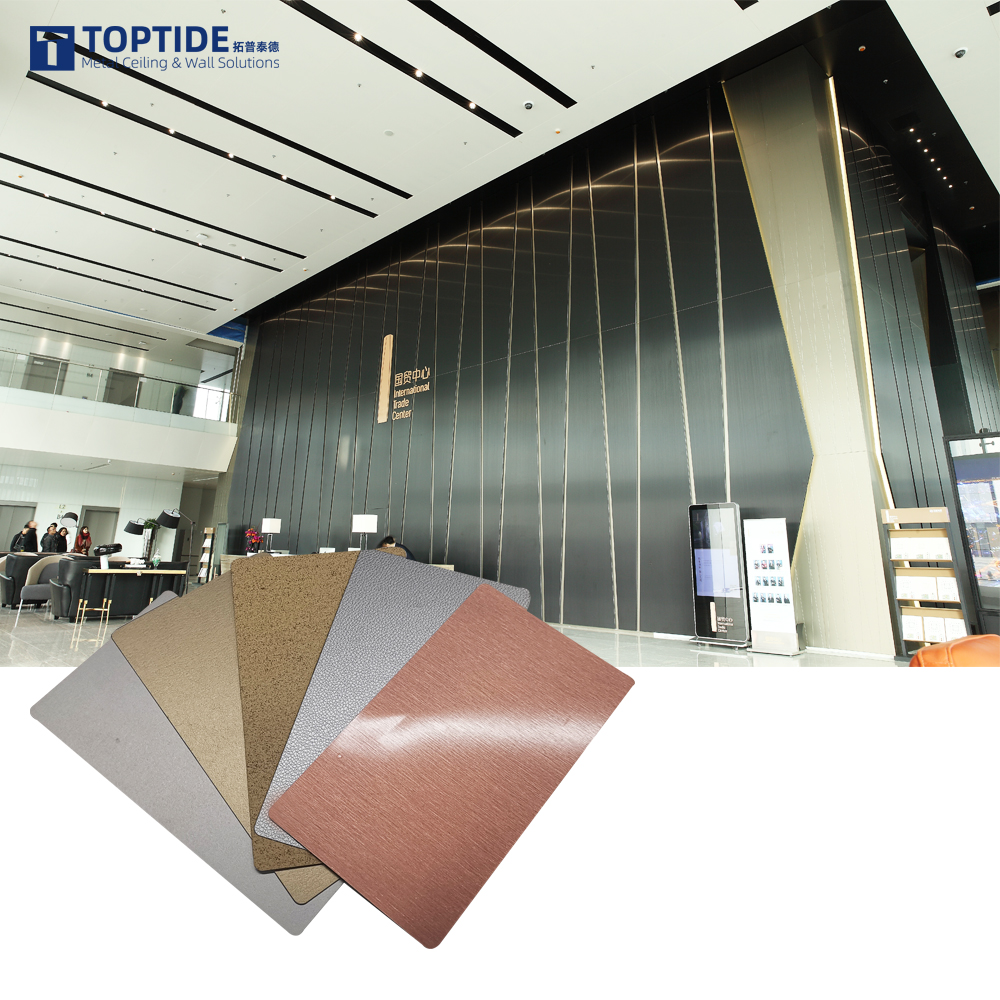
Many contemporary projects demand a genuine metallic appearance. Standard paints attempt to mimic metal. They use mica flakes to simulate natural reflection. However, they always look flat and artificial under direct sunlight. The anodic process preserves the natural crystalline structure of the metal. It delivers a "living" metallic sheen. It reflects sunlight dynamically as the viewing angle changes. Organic paints cannot authentically replicate this visual depth.
Environmental Challenges
Site location dictates material survival. Buildings exposed to heavy industrial pollution face acidic rain. Coastal structures face relentless marine salt spray. Organic coatings often fail under these aggressive conditions. They blister at the panel edges. The electrochemical oxide shield resists these exact chemical attacks. It performs exceptionally well in marine environments where salt concentrations easily destroy standard paint systems.
The Lifecycle Cost Argument
Procurement teams must analyze financial metrics beyond day-one costs. Anodized materials command a higher upfront capital expenditure (CapEx). The complex manufacturing process requires significant energy and strict chemical controls. However, you must weigh this against the dramatically reduced operational expenditure (OpEx).
You virtually eliminate regular maintenance, repainting, and specialized cleaning budgets. Furthermore, you practice strict risk mitigation. When organic paints fail prematurely, property owners face catastrophic recladding costs. You avoid future replacement liabilities entirely by specifying a permanent, integrated exterior shield from the start.
Technical Specifications and Compliance Mandates
Specifying building materials requires rigorous attention to localized compliance. You cannot compromise on life-safety standards or environmental regulations. Procurement teams must request specific technical data before approving any facade product.
Fire Safety Codes (Critical Requirements)
Fire safety remains the most heavily regulated aspect of exterior cladding. Building codes evolve rapidly globally. You must evaluate the interior core materials strictly. Avoid basic Polyethylene (PE) cores for high-rise facades or institutional buildings. Fire marshals restrict or ban them in most developed jurisdictions.
Instead, you must specify Fire-Retardant (FR) or A2-rated non-combustible cores. An FR core contains mineral hydroxides. These minerals release water vapor when exposed to extreme heat. An A2 core contains over 90% inorganic minerals. It offers the highest level of composite fire resistance. Always demand independent certification showing compliance with local codes, such as the International Building Code (IBC) or the European standard EN 13501-1.
Anodic Film Thickness Standards
Not all oxide layers offer the same protection. Industry standards classify the thickness of the film to determine its appropriate end-use.
Architectural Class I: This classification requires a minimum film thickness of 0.7 mils (18 microns). Manufacturers design it specifically for exterior facades, high-traffic commercial buildings, and extreme weathering environments.
Architectural Class II: This classification mandates a minimum thickness of 0.4 mils (10 microns). We recommend it for interior architectural elements or light exterior applications avoiding direct weathering.
Sustainability & LEED
Modern developers prioritize sustainable construction. Organic paint applications release volatile organic compounds (VOCs) into the atmosphere. The electrochemical bath releases zero VOCs. It remains a fully water-based, heavily regulated process. Furthermore, the aluminum skin remains 100% recyclable at the end of its lifecycle. It loses none of its physical properties during smelting. Integrating these panels directly contributes to earning LEED credits for sustainable building practices.
Sourcing and Shortlisting: How to Choose a Supplier
Finding a reliable manufacturing partner requires thorough due diligence. You face specific implementation risks when ordering specialized architectural cladding. Sourcing a high-quality Anodized aluminum panel demands strict procurement criteria.
Batch-to-Batch Color Consistency
You must address an inherent implementation risk immediately. Anodizing is a natural electrochemical process. It reacts to trace elements inside the raw metal. Therefore, slight color variation remains a known industry reality. You evaluate suppliers based on how they control this risk. Require them to guarantee tight color range limits using digital spectrophotometers. For large commercial projects, demand they source all raw materials from a single massive coil batch. This strategy eliminates mismatched panel tones across the final facade.
Testing and Certifications
Never rely on marketing claims. Use objective checklists for your procurement process. Request certified laboratory test data for the following metrics:
Bond Strength: Request ASTM D1781 (or regional equivalent) data to prove the adhesive securely holds the metal skin to the FR core.
Core Combustibility: Request ASTM E84 or NFPA 285 tests to verify the core meets localized flame spread requirements.
Salt Spray Resistance: Request ASTM B117 results to ensure the sealed pores will survive your specific project environment.
Warranty Traps
Analyze manufacturer warranties carefully. Many suppliers draft documents containing hidden traps. They might cover the structural integrity of the composite bond, but exclude the exterior finish entirely. Look for warranties that explicitly cover chalking, fading, and edge creep. Ensure the document guarantees performance in your specific climate zone, especially if you build near the ocean.
Conclusion
Anodized aluminum composite panels serve as a premium, zero-compromise solution. They target structural projects requiring authentic metallic aesthetics alongside extreme physical durability. By integrating the protective layer directly into the raw metal, you eliminate the risk of peeling and chalking entirely. You trade higher initial procurement costs for decades of zero-maintenance structural stability.
To move your project forward successfully, take immediate action. Encourage your stakeholders to request physical product samples. Compare the genuine metallic sheen against standard painted alternatives under natural sunlight. Review localized compliance data thoroughly. Finally, consult directly with your structural engineers. They will help you match the optimal panel thickness (such as 4mm versus 6mm) to the specific wind-load requirements of your building facade.
FAQ
Q: Are anodized aluminum composite panels fireproof?
A: The raw aluminum surface itself is completely non-combustible and will not burn. However, the overall fire performance depends entirely on the hidden core. You must explicitly specify mineral-filled Fire-Retardant (FR) or A2-rated cores for strict fire safety. Standard Polyethylene (PE) cores are combustible and unsafe for high-rise applications.
Q: How does the cost of an anodized aluminum panel compare to PVDF-painted panels?
A: You can expect a typical 15% to 30% price premium upfront compared to standard PVDF-painted panels. The electrochemical manufacturing process is highly complex and energy-intensive. However, this initial capital expense is easily balanced by a significantly longer lifespan and zero repainting requirements over decades.
Q: Can you paint over or repair a scratched anodized surface?
A: No, you cannot easily touch up these finishes with standard paint. Applying organic paint ruins the authentic metallic reflection and depth. The industry standard relies entirely on prevention. Because the crystalline anodic layer is extremely hard (Mohs 7-8), it strongly resists the scratches and gouges that normally damage softer paints.
Q: How do you clean and maintain anodized architectural panels?
A: They require minimal maintenance. You simply wash them using a mild, pH-neutral soap and clean water. Use a soft sponge or cloth to remove surface dirt. You must strictly avoid highly alkaline cleaners, acidic solutions, or abrasive scouring pads, as these chemicals can permanently etch and damage the protective oxide layer.


