
What Is Corrugated Metal Roofing? A Detailed Definition, Panel Types & Uses
Views: 0 Author: Site Editor Publish Time: 2026-03-17 Origin: Site


A building material often recognized instantly by its wave-like surface is Aluminum Corrugated Panel, yet many people who see this familiar pattern on roofs and walls do not fully understand what it actually is, how it works structurally, or why it has become such a practical solution in construction. Corrugated metal roofing refers to metal sheets shaped into repeating ridges and grooves that dramatically improve strength while keeping the material lightweight. These panels are widely used not only as roofing systems but also as wall cladding and architectural elements in commercial, industrial, and residential buildings. Companies such as Ballesta, developed by Guangdong Disen Building Technology Co., Ltd., specialize in producing high-quality metal building systems including ceilings, wall cladding, and aluminum architectural components. With advanced manufacturing facilities and decades of experience in metal architectural products, Ballesta offers aluminum panel solutions that combine durability, aesthetic flexibility, and cost-efficient performance for modern construction projects.
What Does Corrugated Metal Roofing Actually Mean?
The Shape That Defines Corrugated Panels
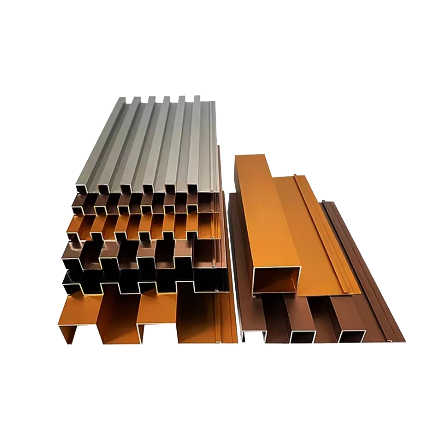
Corrugated metal roofing is defined by its distinctive pattern of ridges and grooves. Instead of a flat sheet, the metal surface is formed into repeating waves that run across the panel. These ridges create structural depth that dramatically increases rigidity.
This structural principle is simple but powerful. When metal sheets are shaped into a corrugated pattern, they gain strength without needing additional thickness. A thin sheet of aluminum becomes much stronger because the profile distributes loads across the ridges. As a result, corrugated panels can span larger areas without bending or deforming.
The wave profile also improves drainage performance. Rainwater naturally flows along the grooves and off the roof surface, helping prevent standing water that could otherwise damage roofing systems.
How Corrugated Panels Differ From Flat or Box-Profile Panels
Corrugated panels are sometimes confused with other metal roofing systems, but their visual and functional characteristics are quite different.
Flat metal panels offer a smooth architectural appearance but typically require more structural support. Box-profile or trapezoidal panels use angular shapes to add strength, which makes them common in industrial buildings.
Corrugated metal panels, on the other hand, combine strength with a visually distinctive texture. Their curved wave pattern creates both rigidity and a recognizable architectural identity. This is one reason they are used not only for roofing but also as exterior wall cladding and decorative building surfaces.
How Corrugated Metal Roofing Is Built
Base Material Options
Corrugated metal roofing panels can be produced from several types of metal. Each material offers different advantages depending on the project requirements.
Aluminum panels are valued for their lightweight properties and corrosion resistance.
Galvanized steel panels are coated with zinc to improve durability and reduce rust.
Galvalume steel combines aluminum and zinc coatings for enhanced protection.
Although all three materials are widely used, aluminum has become increasingly popular in modern architectural design because of its balance between performance and appearance.
Why Aluminum Is Often Preferred
Aluminum offers several practical benefits that make it especially suitable for corrugated roofing systems.
Lightweight handling is one of the most significant advantages. Aluminum panels are easier to transport and install than heavier materials, which can reduce installation complexity.
Corrosion resistance is another important factor. Aluminum naturally forms a protective oxide layer that helps resist rust and environmental damage. This makes it particularly suitable for humid climates or coastal environments where traditional steel materials may deteriorate faster.
Aluminum panels also provide a clean and modern appearance. Their surface can be finished in a wide range of coatings and colors, allowing architects and designers to match different architectural styles.
What Types of Corrugated Metal Panels Are Common in Projects?
Roofing Panels
The most recognizable application for corrugated metal panels is roofing. The wave profile allows large surfaces to be covered efficiently while maintaining structural strength.
Common roofing applications include:
Sheds and workshops
Warehouses and storage buildings
Agricultural structures
Industrial facilities
Outdoor shelters and canopies
Because of their lightweight structure, corrugated roofing panels can cover large areas without putting excessive load on the building frame.
Wall Cladding Panels
Corrugated panels are also widely used for vertical surfaces. As wall cladding, they create a textured facade that adds visual interest while protecting the building envelope.
Exterior corrugated cladding is often used for:
Commercial buildings
Industrial facilities
Equipment enclosures
Modern residential facades
The combination of strength and distinctive appearance makes corrugated metal a popular design element in contemporary architecture.
Ceiling and Decorative Applications
Beyond structural uses, corrugated metal panels are increasingly used in decorative interior and semi-outdoor spaces.
Covered patio ceilings
Industrial-style interior ceilings
Decorative architectural accents
These applications show how a practical building material can also become a design feature.
Where Corrugated Metal Roofing Works Best
Industrial and Commercial Buildings
Large buildings benefit significantly from corrugated metal roofing. The lightweight panels reduce structural load while allowing rapid installation over wide spans.
Factories, warehouses, and logistics facilities often rely on corrugated panels because they provide reliable protection without excessive material cost.
Residential Renovations and Extensions
Homeowners and designers also use corrugated panels in smaller projects.
Garage roofs
Garden rooms
Porches and outdoor living areas
Home extensions
Corrugated metal roofing provides durability and a distinctive appearance that works particularly well with modern industrial or farmhouse architectural styles.
Temporary and Utility Structures
Another advantage of corrugated metal panels is their practicality for temporary structures.
Construction site offices
Storage shelters
Equipment housing
These projects require materials that are durable, easy to install, and cost effective.
Why Aluminum Corrugated Panels Attract So Much Attention
Strength With Lower Weight
Aluminum corrugated panels combine structural rigidity with low weight. The corrugated profile increases strength while aluminum reduces overall mass, creating an efficient building material.
This balance makes installation easier and reduces the load placed on structural frames.
Weather Resistance and Lower Maintenance
Weather resistance is another reason aluminum panels are widely used. Aluminum performs well under exposure to moisture, sunlight, and changing temperatures.
Unlike some materials that require frequent repainting or repair, aluminum panels typically maintain their appearance and performance for many years with minimal maintenance.
Visual Flexibility for Modern Architecture
Corrugated aluminum panels also offer design versatility. Their textured pattern adds depth and character to building surfaces.
Architects often choose corrugated metal because it provides an industrial aesthetic that fits well with contemporary design trends while remaining functional.
What Buyers Should Understand Before Using Corrugated Panels
Exposed Fastener Systems and What That Means
Most corrugated metal roofing systems use exposed fasteners. Screws are visible along the ridges and overlap areas where panels are attached to the structure.
Proper installation is essential to ensure the system remains weather-tight. Fasteners must be placed correctly and sealed to prevent water penetration.
Slope, Drainage, and Detailing Matter
Roof slope plays a critical role in the performance of corrugated panels. Because the system relies on gravity drainage, roofs should have adequate pitch to allow water to flow away quickly.
Careful detailing around edges, overlaps, and penetrations is also important for long-term performance.
Corrugated Metal Roofing vs Other Panel Styles
Corrugated vs Standing Seam
Standing seam roofing systems use concealed fasteners and interlocking seams. They are often used in high-end architectural projects where a sleek appearance is desired.
Corrugated roofing, by contrast, offers simplicity and lower installation cost. The system is straightforward and effective for many types of buildings.
Corrugated vs Flat Wall Panels
Flat wall panels provide a smooth surface and a modern look. Corrugated panels create more texture and visual depth.
This difference often determines which panel style is selected for a specific architectural design.
Quick Comparison of Common Corrugated Panel Uses
Application | Why Corrugated Panels Work | Why Aluminum Adds Value |
Roofing | Efficient drainage and lightweight coverage | Better corrosion resistance |
Wall cladding | Adds structural rigidity and texture | Maintains appearance over time |
Ceiling features | Decorative industrial aesthetic | Easy installation overhead |
Utility structures | Cost-effective enclosure solution | Long service life |
Why This Product Category Keeps Showing Up in Modern Building Design
Performance Plus Appearance
Corrugated metal panels continue to appear in architectural projects because they combine functionality with visual impact. They offer strength, durability, and efficient installation while also contributing to a building’s aesthetic character.
Useful Across Functional and Decorative Projects
Few building materials can move as easily between industrial and decorative uses. Corrugated panels are equally effective on a warehouse roof, a residential facade, or an architectural feature ceiling.
This flexibility explains why designers continue to revisit corrugated metal as a reliable and expressive building material.
Conclusion
Corrugated metal roofing remains one of the most practical and recognizable building systems used across modern construction. From industrial warehouses to contemporary homes, corrugated panels provide structural strength, efficient drainage, and a distinctive architectural appearance. When manufactured from aluminum, these panels combine lightweight installation with strong resistance to weather and corrosion. Ballesta, developed by Guangdong Disen Building Technology Co., Ltd., focuses on delivering high-quality metal architectural products including ceilings, cladding systems, and aluminum building components. With advanced manufacturing equipment and large-scale production capacity, the company supports projects around the world with reliable aluminum panel solutions. For architects, builders, and project developers looking for durable and versatile metal building materials, corrugated metal panels remain a dependable option. If you want to learn more about aluminum architectural panel systems or discuss your project requirements, contact us to explore how Ballesta solutions can support your next building project.
FAQ
What is corrugated metal roofing used for?
Corrugated metal roofing is commonly used for warehouses, agricultural buildings, residential extensions, garages, and industrial facilities. Its strength and efficient drainage make it suitable for many roofing and wall cladding applications.
Are aluminum corrugated panels better than steel panels?
Aluminum panels are lighter and naturally resistant to corrosion, making them suitable for humid or coastal environments. Steel panels may offer higher strength in certain applications, but aluminum often requires less maintenance.
How long can corrugated metal roofing last?
The lifespan depends on the material, coating, and environmental conditions. Aluminum corrugated panels typically provide long-term durability because they resist rust and environmental degradation.
Can corrugated metal panels be used for walls or ceilings?
Yes. Corrugated panels are widely used as wall cladding and decorative ceiling elements. Their textured surface adds architectural interest while maintaining structural performance.


